How the season is shaped
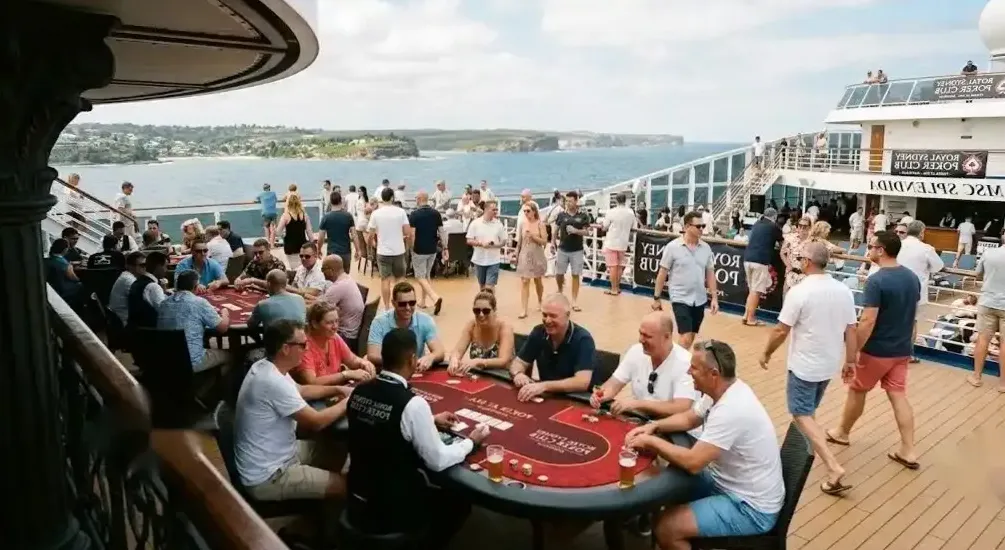
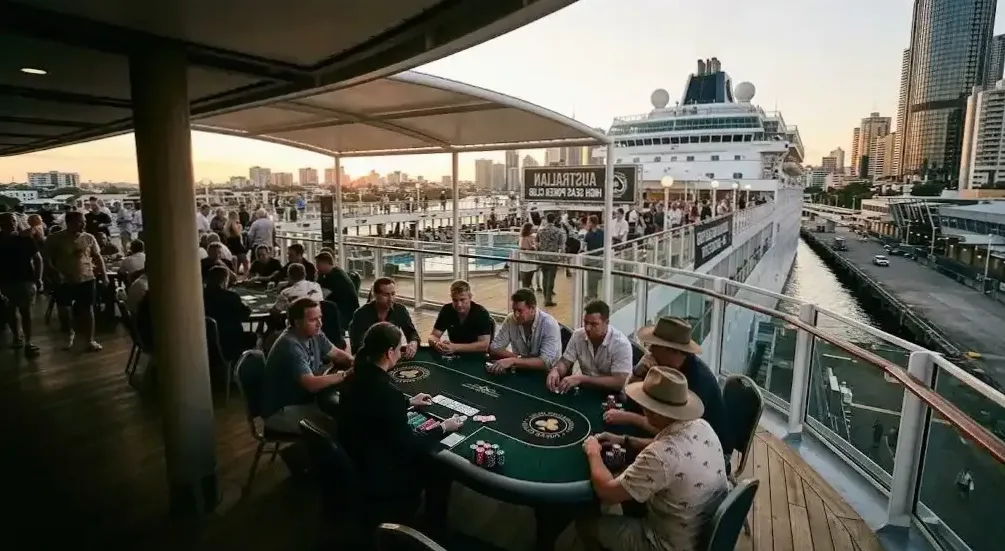
The season runs March through December, built around four championship majors with the public calendar filling the gaps. Reef voyages, themed nights and learn-to-play evenings run monthly, and the dry season months June to October are when the calendar is densest.
The season pass covers all four majors plus the hospitality tier, and the annual leaderboard accumulates points across them. The season's final night awards next year's passes to the top three.
New events join the calendar through the year, announced first to the waiting list. This article covers the confirmed backbone; the roadmap page holds the live version.
The four majors
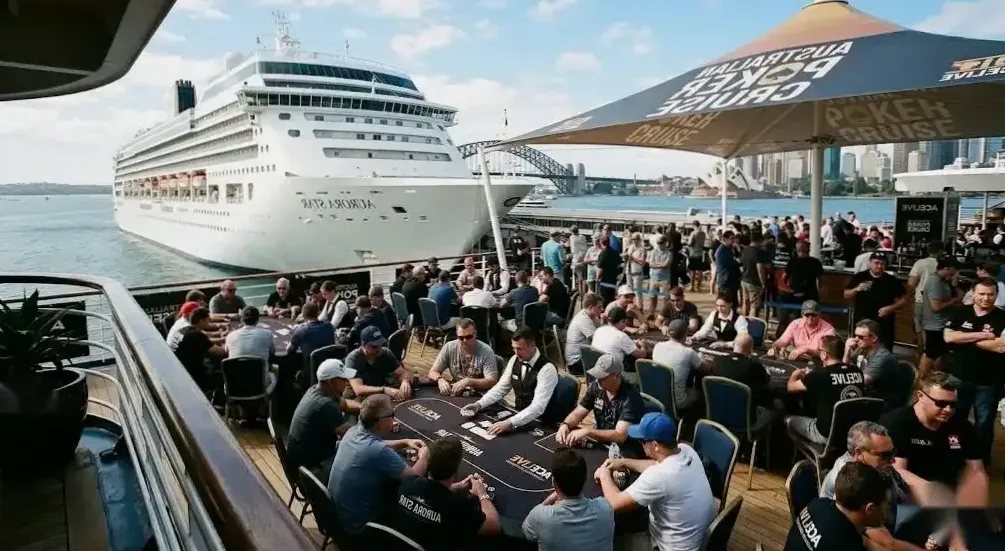
The Autumn Classic opens the season in March with the welcome reception and the year's softest field. It is the major where new players do best, because the regulars are still finding their form.
The Winter Open in June draws the biggest field, helped by dry season weather and the mid-year corporate crowd. Points count double from the final table, which is where the leaderboard usually starts telling the truth.
The Spring High Roller week in September adds the salon to the mix: a higher-stakes championship plus invitation sessions for season pass holders. December's Summer Grand Final is the decider, run as a two-night championship with the bracelet presentation closing the season.
"The leaderboard rewards the player who turns up four times and plays honestly. That was deliberate: we wanted the season to favour commitment over one hot night."
Between the majors
Monthly reef voyages run June through November and carry their own series prize pool rather than leaderboard points. They are the format for players who want the holiday with the tournament inside it.
Themed nights, learn-to-play evenings and corporate charters fill the remaining weekends. The annual pro-am invitational in October is the one non-major event that awards leaderboard points, which is why the ballot draws such attention.
Satellites into each major run the month before it, so every championship has a path in at A$120 rather than the full buy-in.


How the leaderboard works
Points accumulate by finish position at each major, weighted for the Winter Open and Grand Final. The standings publish after every event and are genuinely transparent, down to the points each position earned.
Consistency beats brilliance across a season. The current champion finished no lower than fourteenth at any major and won none of them; the player who took two majors and busted early at the other two finished fourth.
The top three at season's end take next year's pass, the engraved bracelet and the founders table reservation at the Grand Final. Places four through ten take tiered prizes and first option on the next season's allocation.
- Season passes open in February and cap at 48. The waiting list hears about them a week before public sales.
- Dry season months June to October book first, especially reef voyage cabins and corporate charters.
- Satellites run the month before each major at A$120. It is the cheapest route into a championship field.
- The pro-am invitational in October is the only non-major awarding leaderboard points.
- Corporate charters are easiest to schedule during the majors when public events dominate the calendar.
How to plan the season
For committed players the season pass is the honest arithmetic: four majors bought separately cost twenty percent more, and the leaderboard eligibility alone justifies it for anyone playing more than two.
For social players, the monthly calendar matters more than the majors. Reef voyages book out first in the dry season, so June to August cabins are the ones to reserve early.
Corporate groups should note the counter-pattern: public events are scarcer during the majors, which is exactly when charter slots are easiest to secure. The events team holds dates for seven days without deposit.